
Tutoring and teaching practice
Professional private tutoring

- 4 modules
- 8.0 CPD hours
Module 1 free typically about £195 elsewhere
Private tutors
Also called personal tutors, home tutors and one to one tutors.
Private tutoring in the United Kingdom is unregulated: no licence, no register and no required qualification. That does not mean nothing is expected of you. Parents, schools and agencies increasingly ask the same questions an employer would, and the tutors who win the work are the ones with good answers ready: vetting they can evidence, safeguarding they have actually studied, and a professional practice around money, terms and data.
There is no employer training matrix for a self employed tutor, so the list below is the one we recommend. It is built from what schools require of their own staff and from what the law already demands of anyone running a one person business that holds children's information.
| Subject | What it is for | Typical refresher | Learn it |
|---|---|---|---|
| Professional private tutoring | The business, safeguarding and teaching craft of one to one work, ending in a certificate anyone can verify. | Once; the certificate carries a permanent verification code | 8.0 hour course |
| An Enhanced DBS check
Not a course, and not obtainable from any website. A self employed tutor can apply for a basic check directly; the enhanced check has to be requested through an organisation such as a tutoring agency or an umbrella body. The course above explains the routes. |
The check schools use, and the first thing a careful parent asks about. | Kept current by joining the Update Service within thirty days of issue | Workplace only |
| Safeguarding beyond the basics | A tutor has no designated safeguarding lead to hand a concern to, so the lead's depth of training is the right depth for the only professional in the room. | Typically refreshed every three years in schools, a sensible convention to match | 3.0 hour course |
| Data protection | Lesson notes, school reports and parents' messages are children's personal data, and UK GDPR applies to a sole trader in full. | Typically every year in employed settings | 2.5 hour course |
| First aid knowledge
Practical technique is assessed in person on a manikin. We teach the knowledge that sits underneath it. |
An adult regularly alone with a child should know what to do in the minutes before help arrives. | Typically every three years | 1.5 hour course |
Refresher intervals are the conventions carried in employer training matrices, not statutory periods. Your own employer's matrix is what an inspector reads. Figures for course length are our declared study hours.
Tutoring and teaching practice
Module 1 free typically about £195 elsewhere
Leadership and management
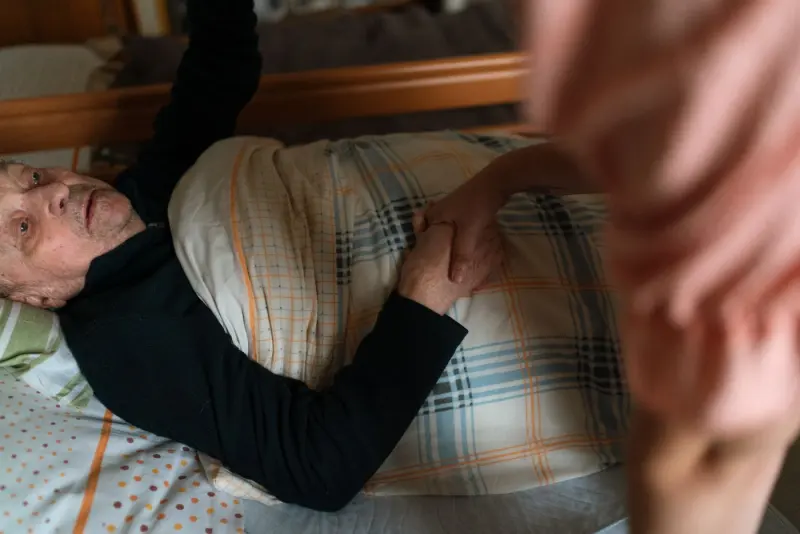
Module 1 free typically about £150 elsewhere
Employer mandated training

Module 1 free typically about £45 elsewhere
Employer mandated training
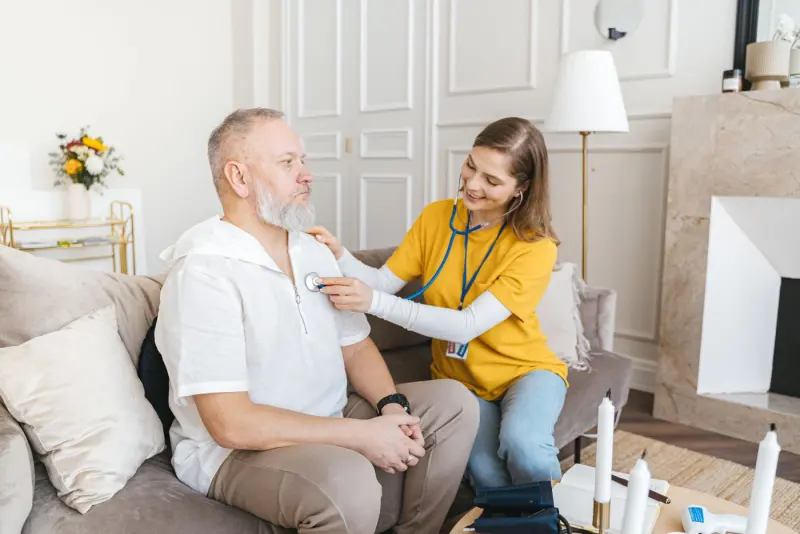
Module 1 free typically about £45 elsewhere
No law requires one for self employed private tutoring, which surprises most parents, and that is exactly why holding one voluntarily carries weight. A basic check you can obtain yourself. The enhanced check schools use has to be requested through an organisation, such as a tutoring agency or an umbrella body, and the Update Service keeps it checkable year after year rather than a certificate about the past.
No. Tutoring is unregulated, so no certificate from anybody is a licence to tutor, ours included. What a certificate can honestly do is evidence that you studied the professional practice of tutoring, the tax duties, the safeguarding, the teaching craft, and passed an assessment on it, with a verification code a parent or agency can check. That evidence matters precisely because the market has no official filter.
Four things. Vetting: ask to see a DBS certificate, or better, an Update Service status check. Evidence of professional practice, such as a verifiable certificate rather than a claim. Terms in writing, including the cancellation policy, because a tutor with written terms runs the rest of the engagement the same way. And how progress will be reported, since a tutor who sends a short note after each session is showing you their working.